Type what you want.
Get a verified CAD part.
A small, plain-Python agent harness. The LLM drives an external CAD MCP server to build a part from your prompt — then a deterministic kernel verifier decides PASS, never the model's own word.
Install & run
# install the CLI (the command is `chamfer`)
uv tool install chamfer-cad     # or: pip install chamfer-cad

# build a part from a prompt (needs a provider key in your env)
chamfer run "a 2 L electric kettle with a rounded rim" --provider anthropic

# deliver the verified STEP to a path of your choice
chamfer run "a desk lamp" --provider openai -o out/lamp.step
On first run chamfer seeds ~/.chamfer with default skills and an
MCP config (build123d). Drop a CHAMFER.md or .chamfer/skills/ in your project to extend it.
Why it's different
Measured, not claimed
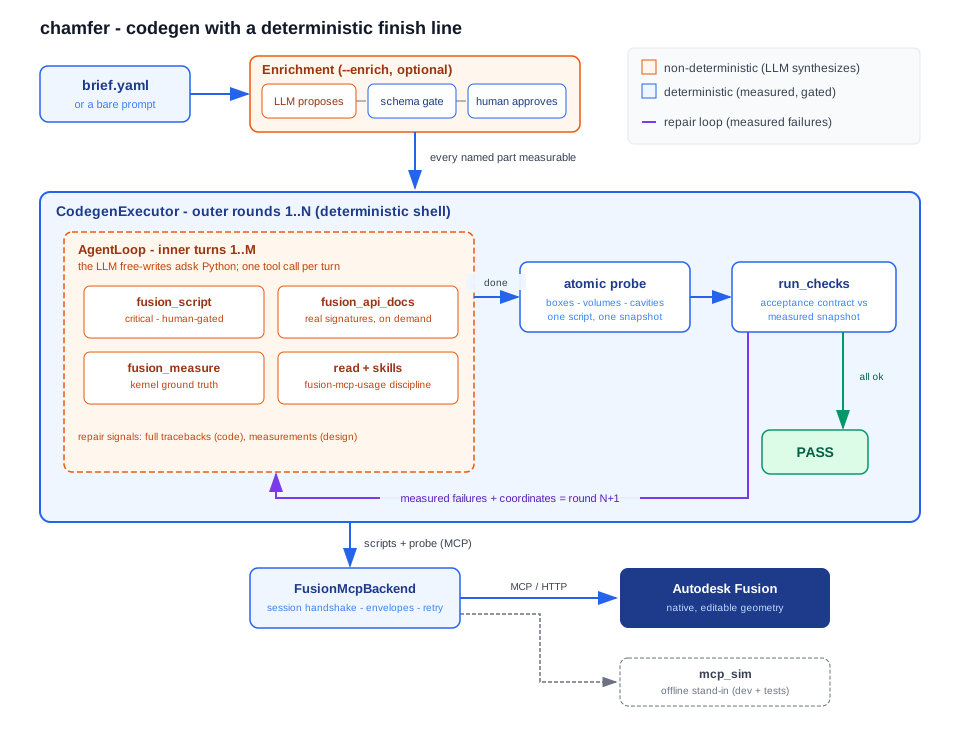
After the agent says "done", a fixed kernel probe re-measures every solid and grades the checklist itself. No self-reported success.
Plain Python, no framework
The whole loop — agent, tools, verifier — reads top to bottom. Flat src/*.py, no magic.
CAD is external
Capabilities come from an MCP server + skills, not baked in. The harness itself is CAD-agnostic.
Any LLM
Anthropic, OpenAI, OpenRouter, or the Claude Code / Codex CLIs — one plain-text protocol.
Gallery
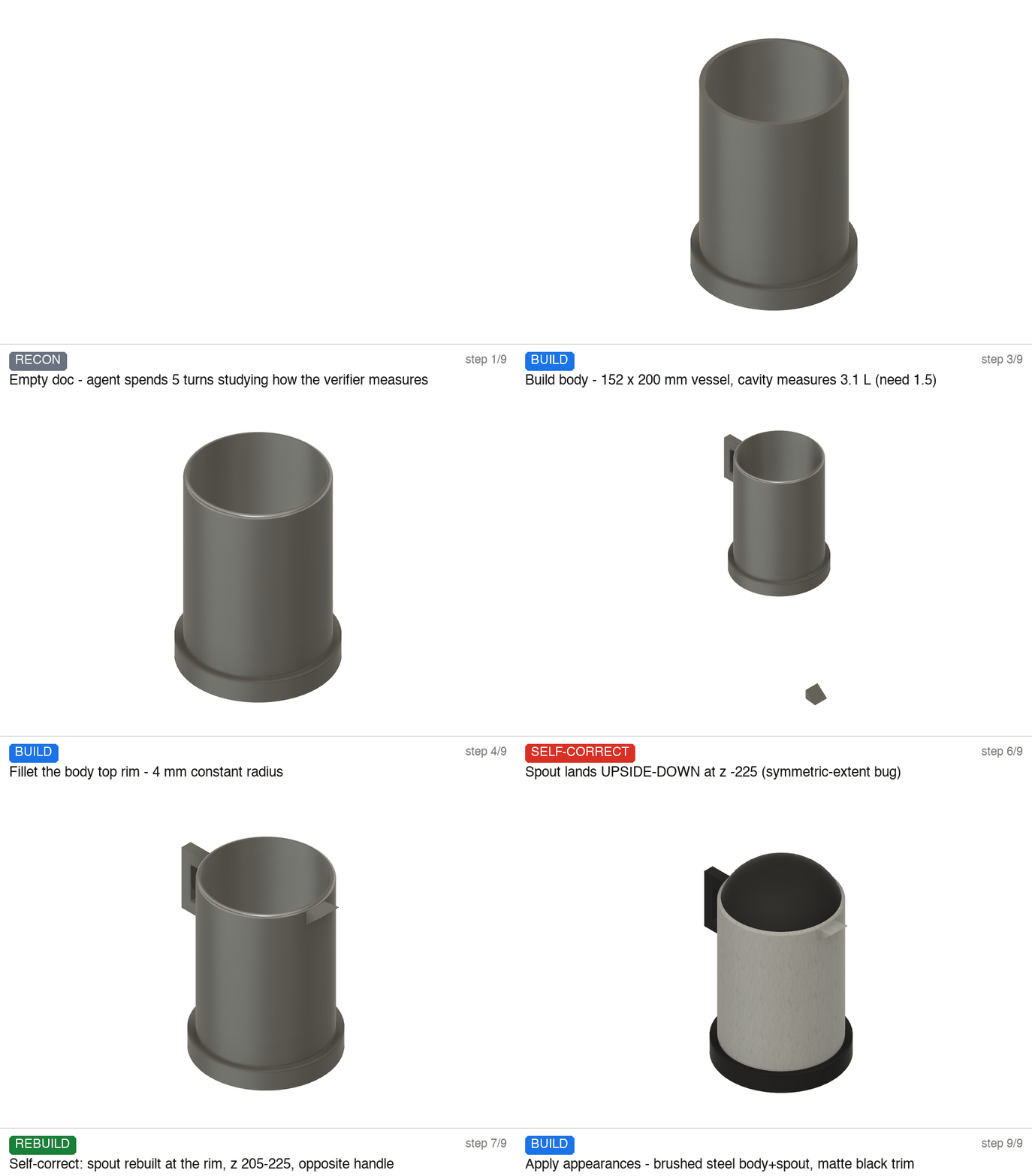
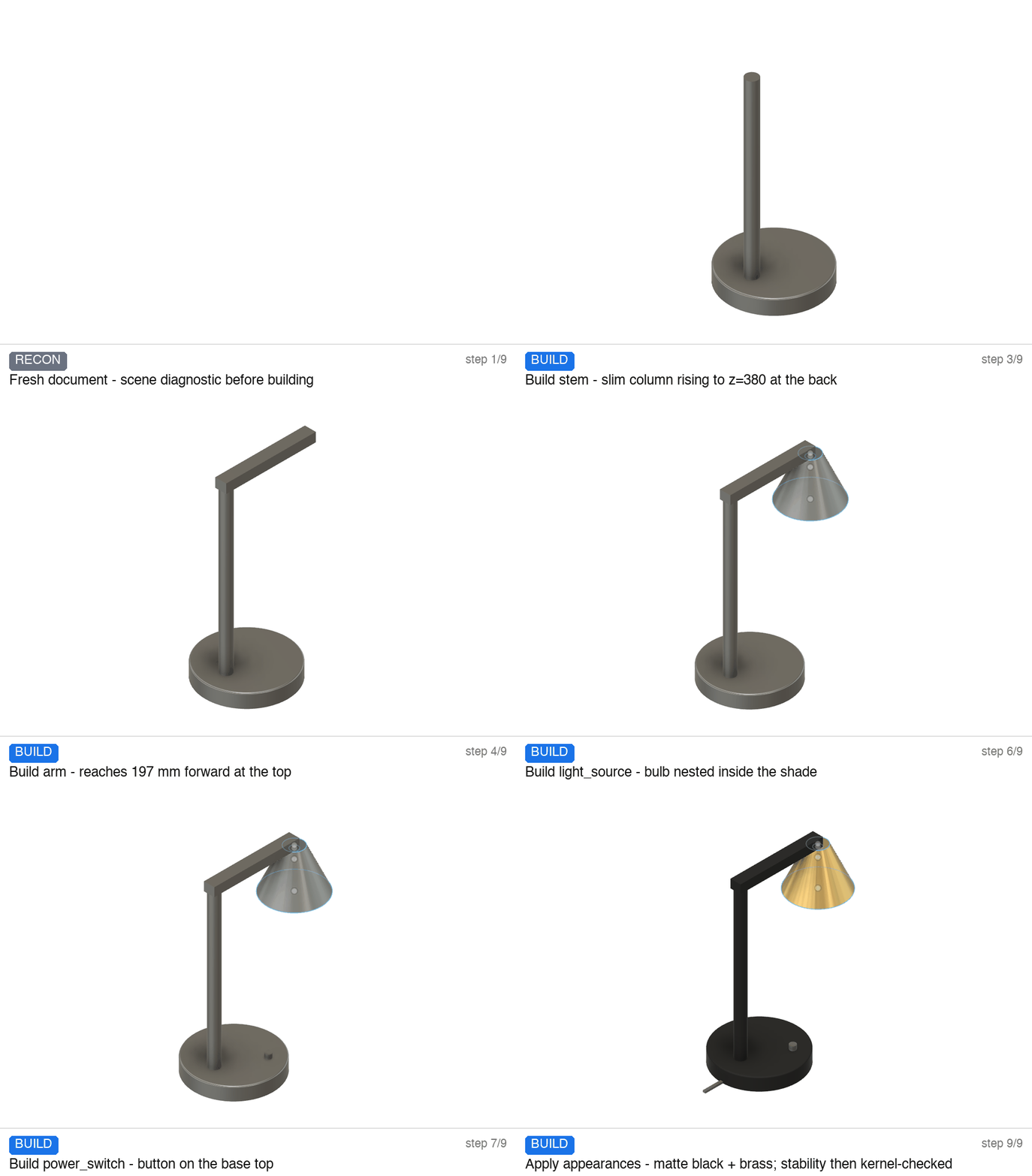
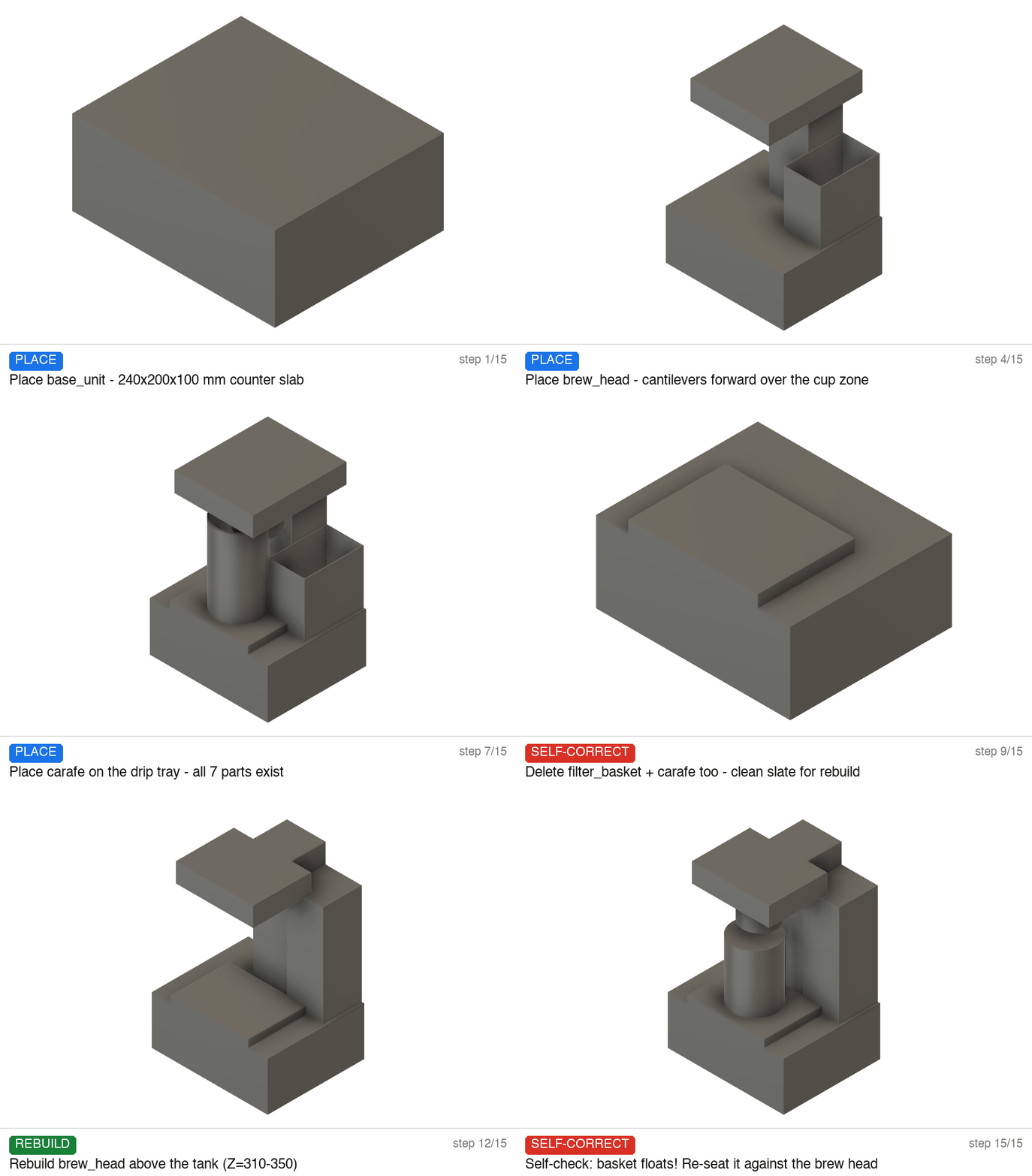
Each GIF is a script-for-script replay of a real session log — actual geometry states, not illustrations. (These runs are from an earlier Fusion-backed version; the current release drives an external build123d MCP server through the same measured loop.)